
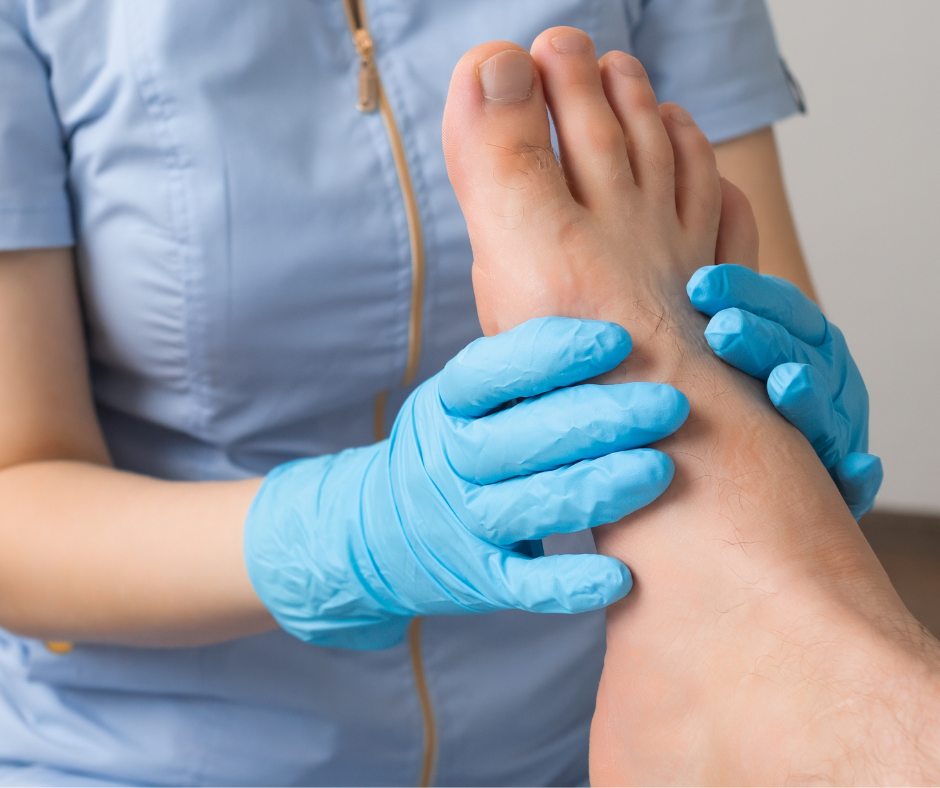
Why You Need an Annual Foot Exam
Most of us have a rhythm for preventative health: a dental cleaning every six months, an annual physical with a primary care doctor, and perhaps a yearly eye exam. Yet, despite being composed of 26 bones, 33 joints, and over 100 muscles, tendons, and ligaments, the feet are often the most neglected part of our annual healthcare routine.
April is National Foot Health Awareness Month, the perfect time to pull back the socks and take a closer look at the two hardest-working parts of your body. Keep reading to learn why Feet First Footcare stresses the value of an annual visit (and the problems they tend to catch early).
1. Prevention is Easier than a Cure
The old saying “if it ain’t broke, don’t fix it” is misguided when it comes to podiatry.
- Many chronic foot conditions, such as bunions, hammertoes, and neuromas, develop slowly over time.
- By the time you feel significant pain, the condition may have progressed to a point where conservative treatments (like custom orthotics or physical therapy) are less effective.
- An annual exam allows your podiatrist to spot structural changes early and intervene before they impact your mobility.
2. Your Feet Are a “Window” into Systemic Health
Podiatrists are often the first healthcare professionals to identify signs of serious systemic diseases. Because the feet are furthest from the heart, they are frequently the first place to show symptoms of:
- Diabetes: Through signs of peripheral neuropathy (numbness) or slow-healing sores.
- Circulatory Issues: Changes in skin color or temperature can indicate peripheral artery disease (PAD).
- Arthritis: Joint stiffness in the big toe or midfoot can be an early indicator of rheumatoid or osteoarthritis.
- Kidney or Heart Disease: Persistent swelling in the feet and ankles (edema) can be a red flag for internal health issues.
3. The “Chain Reaction” Effect
Your body operates as a kinetic chain. If your foundation is unstable, the rest of the structure suffers. Issues like overpronation (flat feet) or high arches can cause a misalignment that travels upward, leading to unexplained pain in the:
- Ankles
- Knees
- Hips
- Lower Back
A podiatrist can analyze your gait (how you walk) during your annual visit to ensure your feet are supporting the rest of your body correctly.
4. Proper Footwear
Most people are wearing the wrong size or type of shoe for their foot shape and activity level.
- This leads to blisters, calluses, and even stress fractures. An annual visit is a great time to bring in your most-worn shoes.
- Your podiatrist can check the wear patterns and recommend the specific features you should look for in your next pair of sneakers or work shoes.
5. Foot Pain is Never “Normal.”
One of the biggest myths in healthcare is that foot pain is a natural byproduct of aging or standing all day.
- Pain is a signal that something is wrong.
- Whether it’s a persistent ache in your heel every morning (common in plantar fasciitis) or a tingling sensation in your toes, these are not things you have to “just live with.”
Take a Step Toward Better Health
This Foot Health Awareness Month, don’t wait for a “breakdown” to seek maintenance. Treat your feet with the same respect you give the rest of your body.
We can help you zero in on potential problems. If you’re already hurting from an overuse injury, we offer a wide variety of regenerative medicine treatments that can help you recover faster without the need for surgery or the side effects of drugs.
For more information, come see Dr. Adam Mucinskas and the team at Feet First Foot Care Specialists, LLC. Call our office at 860-632-5499 or click here to schedule your appointment today!

